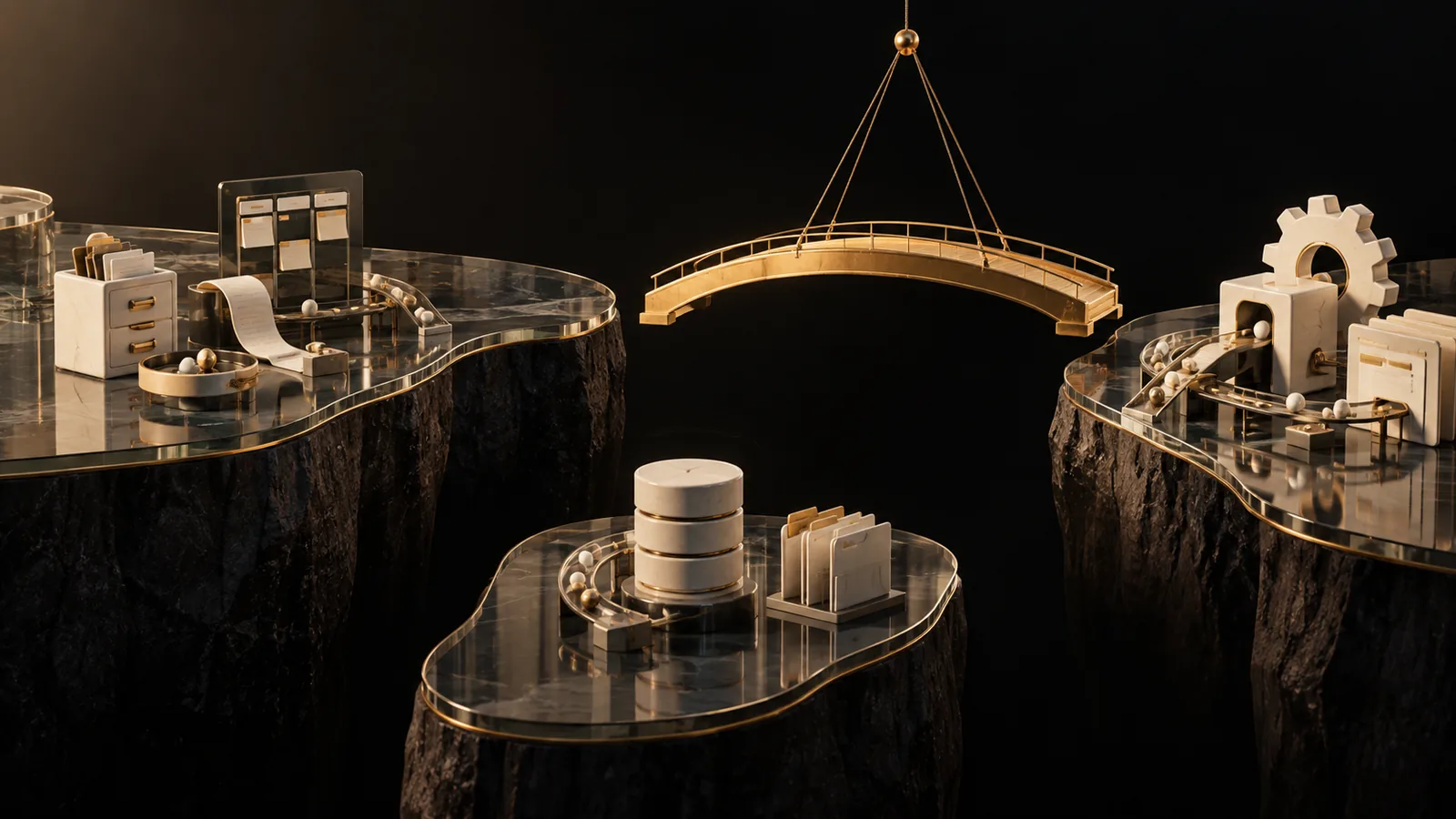
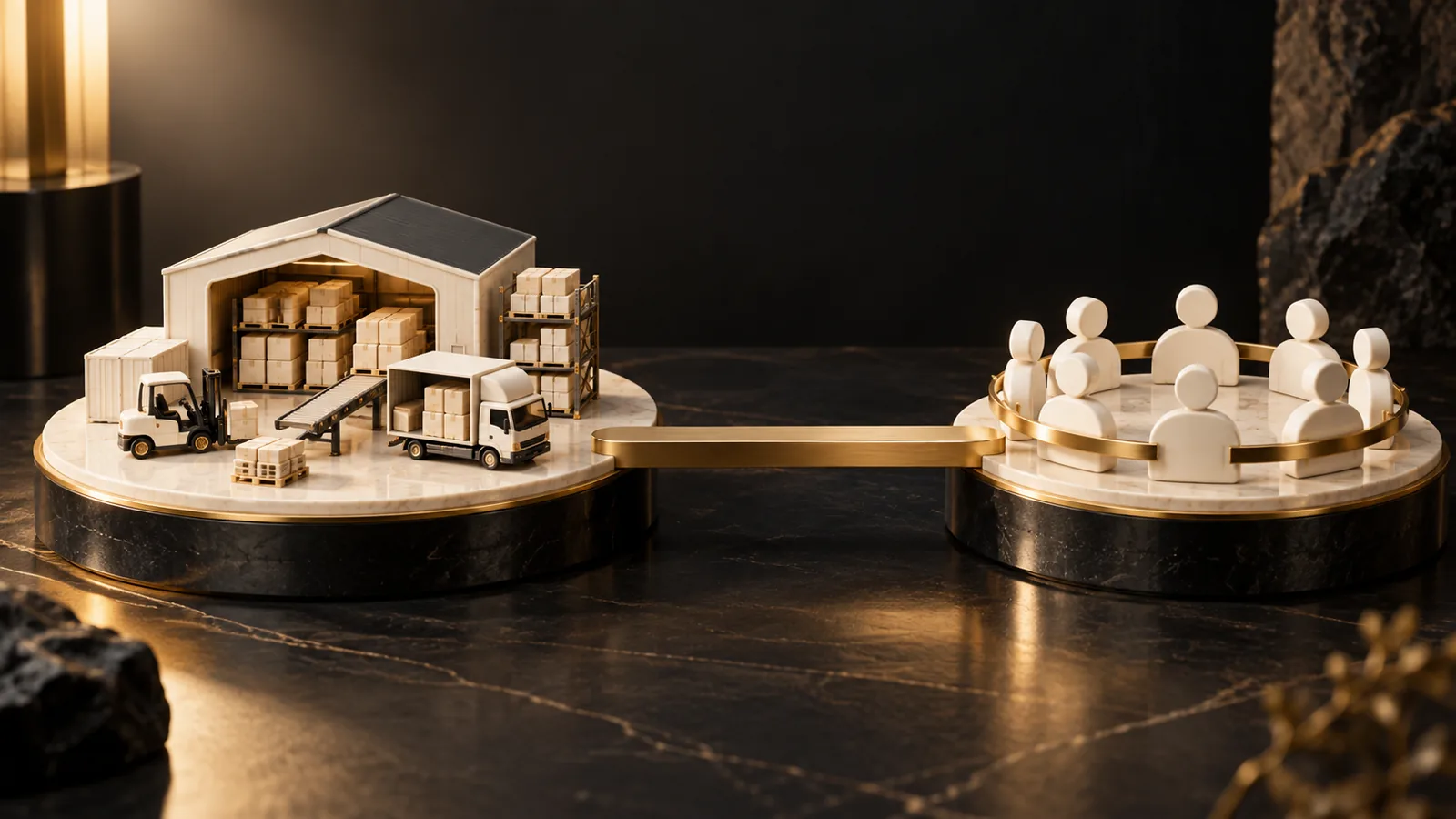
Business owners often hear ERP and CRM used together, but they solve different problems.
CRM
A CRM helps manage leads, customers, pipelines, follow-ups, sales activity, and customer communication. It answers questions like:
- Who are we selling to?
- What stage is each opportunity in?
- Who needs follow-up?
- Which lead sources are converting?
ERP
An ERP helps manage the operating backbone of the business: inventory, purchasing, finance, production, fulfillment, and internal workflows. It answers questions like:
- What do we have?
- What do we owe?
- What needs to be ordered, produced, delivered, or reconciled?
- Where are resources being used?
Many growing businesses need a CRM first, then ERP capabilities as operations become more complex. The right order depends on where the business is losing visibility.
Choose based on the broken decision
If leaders cannot see who is following up, why deals stall, or which campaigns create qualified opportunities, start with CRM. If the larger problem is stock, purchasing, fulfilment, job costing, or financial reconciliation, ERP is the stronger foundation. When both areas are weak, map the shared customer, product, and order data before selecting either platform.
Avoid buying overlapping suites without assigning ownership for each record. Decide which system owns customer identity, pricing, inventory, invoices, and status changes, then define how updates move between them. Compare a focused CRM system with an operational ERP implementation before committing to a broad rollout.